You’re enjoying a quiet evening petting your dog when you feel it: a tiny, hard lump. Your heart sinks a little as you realize it’s a tick. Or perhaps you spotted a tiny black speck darting through their fur—a flea. This moment is a common, and stressful, part of dog ownership that nearly every owner faces eventually.
You're enjoying a quiet evening petting your dog when you feel it: a tiny, hard lump. Your heart sinks a little as you realize it's a tick. Or perhaps you spotted a tiny black speck darting through their fur---a flea. This moment is a common, and stressful, part of dog ownership that nearly every owner faces eventually.
While your first instinct is to just get rid of the immediate problem, veterinarians agree this is much more than a simple nuisance; it's a critical health issue. Consistent flea and tick treatment is a core part of preventative pet care, protecting your dog from serious illnesses like Lyme disease and tapeworms. But with a wall of collars, chews, and topical drops at the store, it's easy to feel paralyzed by choice.
This guide is designed to turn that confusion into confidence by breaking down the real risks these pests pose, demystifying the main types of treatments, and giving you a clear framework for making the best choice. Consider this a key part of your new puppy essentials checklist, helping you keep your best friend safe and healthy for years to come.
Summary
Fleas and ticks are serious health threats to dogs and households, making consistent, year-round prevention essential. This guide explains the main prevention options—oral chews, topical treatments, and medicated collars—how to choose the best fit for your dog’s lifestyle, and how to apply them safely. It also covers what to do if you find a flea or tick, why many “natural” remedies can be risky or ineffective, and the importance of partnering with your veterinarian. A simple three-step plan (Assess, Consult, Commit) helps you implement reliable protection with confidence.
Why Fleas and Ticks Are a Bigger Threat Than You Think
You might think a flea is just a tiny pest, but for many pets, a single bite can trigger a miserable condition called Flea Allergy Dermatitis (FAD). This severe allergic reaction to flea saliva causes relentless itching, hair loss, and painful skin infections. It goes far beyond simple scratching and is one of the most common reasons owners seek veterinary care, turning a pet's life into a state of constant discomfort.
Ticks, on the other hand, pose a quieter but equally serious threat. More than just a creepy bug, a tick is a tiny vehicle for dangerous illnesses. It only needs to be attached to your dog for as little as 24 hours to transmit serious tick-borne diseases like Lyme disease or Ehrlichiosis. By the time you even find an attached tick, the window for disease transmission may have already passed.
The problem rarely stays confined to your pet, either. Just one female flea can lay dozens of eggs each day, which fall off your pet and into your home. Before you know it, these eggs hatch in your carpets, furniture, and bedding, leading to a full-blown infestation that is difficult and costly to eliminate.
Clearly, these parasites are a direct threat to the signs of a healthy pet and the harmony of your home. Protecting your furry family member is crucial, which leads to the big question: what's the best way to do it?
Pills vs. Collars vs. Topicals: Decoding the Main Prevention Types
Thankfully, protecting your pet is simpler than ever, but walking down the pet aisle can feel overwhelming. You'll see pills, collars, and drops, all promising to keep pests away. While they all work toward the same goal, they function quite differently. Understanding these differences is the first step to picking the best defense for your pet.
The three most common forms of prevention are oral chews, topical treatments, and medicated collars. Each has its own set of benefits and considerations that might make one a better fit for your household than another.
To make it easy, here's a quick breakdown of the main options:
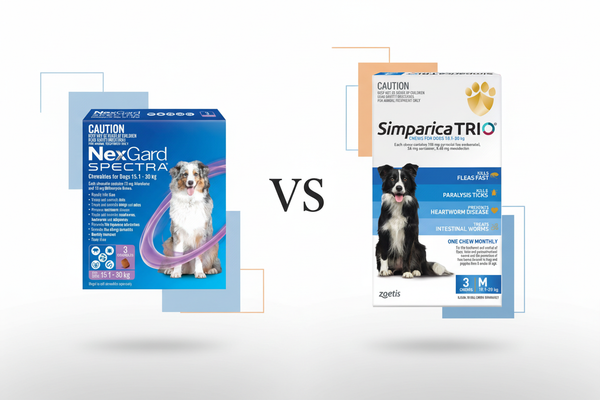
- Oral Chews(Pills): Often flavored like a treat, these flea pills for dogs and cats are a no-mess, easy-to-give option. They work from the inside out, and you don't have to worry about water or petting interfering with them. Most require a veterinarian's prescription.
- Topical Treatments(Spot-ons): This liquid medicine, often called a spot-on treatment, is applied directly to the skin on the back of your pet's neck. They are widely available but can be a bit greasy, and you'll need to keep the area dry (and untouched) for a day or two.
- Medicated Collars: Modern flea collars are a long-lasting solution, offering "set it and forget it" protection for up to eight months. However, the collar must be worn constantly and may not be ideal for homes with small children or other pets who might chew on it.
Ultimately, there's no single "best" product for everyone. The right choice depends on your pet's health, your family's lifestyle, and even your budget. Thinking through these factors will help you and your vet make the perfect decision.
How to Choose the Right Product for Your Dog's Lifestyle
Now that you know the difference between pills, topicals, and collars, how do you pick the right one? The best answer often comes from looking at your pet's daily life. For instance, if your dog is a true water-lover who spends half the summer swimming, a waterproof oral chew is a reliable choice. A topical treatment, on the other hand, might be less effective if it's constantly being washed away. Considering your pet's activity level is the first step in narrowing down your options.
Your home environment also plays a crucial role in this decision. A long-lasting medicated collar offers simple, set-it-and-forget-it protection, but it may not be the ideal choice for a home with curious toddlers or other pets who might mouth or chew on it. In that situation, a monthly pill or a carefully applied topical treatment---which is absorbed into the skin out of reach---can provide a safer alternative for the whole family.
Your veterinarian is your most valuable partner in this process, which is why choosing the right veterinarian is so important. They have your animal's full health history and can recommend a product based on specific needs, like skin sensitivities or other medical conditions. They will help you weigh all these lifestyle factors to make the best decision. Once you've selected the right product, applying it correctly is the final, critical step.
The Golden Rules for Applying Flea and Tick Medication Safely
Before you do anything else, the single most important rule is to never use a dog product on a cat. Flea and tick preventatives formulated for dogs often contain ingredients that are perfectly safe for a canine but are severe poisons for felines. This simple mix-up is a leading cause of accidental pet poisoning and can have devastating consequences, putting it in the same danger category as other common household toxins for pets. Always double-check that you have the right product for the right animal.
Once you have the correct, species-specific medication, proper application is key. Topical treatments work by being absorbed through the skin, so just dabbing it onto the fur won't be effective. You'll need to use your fingers to part the fur on the back of your pet's neck, right between the shoulder blades, until you see a clear patch of skin. Squeeze the entire applicator of liquid directly onto that spot where they can't lick it off.
Your job isn't quite finished once the tube is empty. Immediately after applying the treatment, wash your hands thoroughly with soap and water. To ensure total pet safety, it's best to keep treated animals separated from other pets and small children until the application area is completely dry. This simple step prevents the medicine from being licked off or accidentally transferred to someone else.
Following these golden rules ensures the medication works correctly while keeping your entire family safe. But what happens if you're a little too late with preventative care and you've already spotted a creepy-crawly on your furry friend? Don't panic---knowing what to do next is just as important.
Help! What to Do When You Find a Flea or Tick
Spotting a parasite on your pet is never a pleasant discovery, but taking the right action is simple. If you find a tick, don't panic or reach for old remedies like a lit match---these can actually make things worse by causing the tick to burrow deeper. The goal is to remove the entire tick, including its head, without squeezing its body. Squeezing can inject harmful bacteria into your pet. Your best tool is a pair of fine-tipped tweezers, a must-have for any pet first aid kit.
To safely remove a tick, follow this vet-approved technique:
- Use fine-tipped tweezers to grasp the tick as close to your pet's skin as possible.
- Pull upward with steady, even pressure. Avoid twisting or jerking, as this can cause the head to break off.
- After removing the tick, clean the bite area and your hands with rubbing alcohol or soap and water.
- Place the tick in a sealed bag or jar. Your vet may want to see it to identify its type, which helps assess the risk for diseases like Lyme.
If you've spotted fleas, your immediate mission is different. Where there's one, there are likely dozens more hiding in the fur. Your first move is to grab a special flea comb and run it through your pet's coat, especially around the neck and base of the tail. Look for live fleas and tiny black specks that look like dirt. If these specks turn reddish-brown on a wet paper towel, it's "flea dirt"---a sure sign of an infestation. Follow this up with a warm bath using a pet-safe shampoo to wash away any remaining pests.
Are "Natural" Flea and Tick Remedies a Safe Bet?
In a world full of chemicals, reaching for a "natural" flea treatment for your dog or cat feels like a responsible choice. We all want what's best for our pets, and a solution from nature seems gentler than a manufactured one. However, the word "natural" can be dangerously misleading, and what seems like a harmless alternative could cause serious harm.
The primary concern is toxicity. Many popular essential oils---including tea tree, pennyroyal, wintergreen, and citrus oils---are toxic to pets, especially cats. They can cause everything from severe skin irritation to liver damage or neurological problems. Similarly, the long-standing pet care myth that garlic can repel fleas is not only untrue but also dangerous, as garlic is poisonous to both dogs and cats, causing damage to their red blood cells.
The biggest difference between these DIY remedies and the products your vet recommends comes down to one word: proof. Vet-approved medications have undergone rigorous, multi-year testing to prove two things: that they are effective at killing pests and, just as importantly, that they are safe for your pet when used as directed.
Ultimately, a product's safety isn't determined by whether its source is "natural," but by whether it has been proven to work without harming your pet. While some natural products like diatomaceous earth can help treat your home's environment (not your pet directly), they aren't a substitute for reliable prevention. Your veterinarian is the best source for finding a solution that truly is safe and effective.
Your Vet: The Best Partner for a Pest-Free Pet
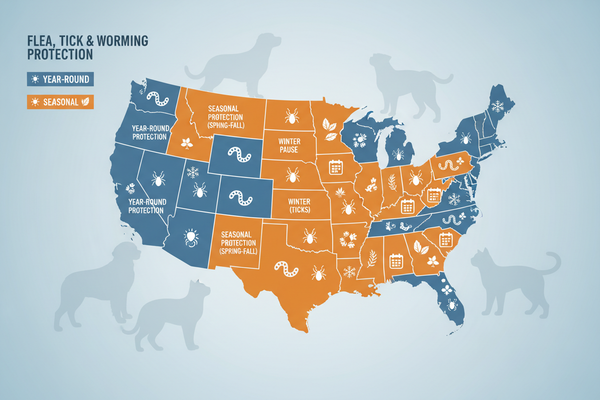
A tick in Texas poses a different threat than one in Maine, and the flea season in Florida is practically year-round. Your veterinarian isn't just a doctor for your pet; they are your local expert on regional pest risks. They know which parasites are common in your specific neighborhood and, more importantly, which products are most effective against them, removing the guesswork from your decision.
Beyond just your zip code, your veterinarian considers your pet's unique life. An adventurous puppy with a packed puppy socialization schedule has very different exposure risks than a senior cat who never leaves the house. A good vet will weigh your pet's age, health history, and daily activities to recommend a prevention plan that is both safe and effective for their individual situation, not just a generic solution.
This strategic conversation is a core part of your pet's annual pet wellness exam. Instead of being only about shots, think of this visit as your yearly planning session to keep your furry family member safe and healthy. It's the perfect opportunity to ask questions and partner with your vet to create a protection plan that truly gives you peace of mind.
Your Action Plan for a Confident, Protected Dog
Navigating the world of dog health can feel like a maze of confusing options. You now know the most powerful tool for protecting your pet isn't complicated at all---it's consistency. This simple shift in perspective is your key to confident pet care and a core part of any new puppy essentials checklist.
To turn that knowledge into immediate action, here is your clear path forward.
Your 3-Step Protection Plan:
- Assess: Consider your dog's unique lifestyle (hiker, swimmer, cuddler?).
- Consult: Schedule their annual wellness exam to discuss options with your vet.
- Commit: Choose your product, mark your calendar for every dose, and never miss a month.
Following this plan does more than just prevent pests; it builds a foundation of wellness that brings true peace of mind. Each time you mark a dose off your calendar, you are taking one easy, powerful step toward ensuring a long, happy, and healthy life together.
Andrew Davies
Founder & Pet Care Specialist — Smartway Pet Supplies
Andrew founded Smartway Pet Supplies to help US and Canadian pet owners access genuine, brand-name parasite prevention medications at fair prices. With years of experience navigating the Australian veterinary products market, he writes practical guides to help pet parents make informed decisions about flea, tick, heartworm, and worming treatments.
About Smartway Pet Supplies →