When is Flea & Tick Season in Your State? What Every Pet Owner Needs to Know
While it's true that pests love the heat, the answer isn't as simple as looking at a calendar. Depending on where you live in the U.S. or Canada, "flea season" might actually be every single day of the year.
The Temperature Trigger
Most people believe that the first frost kills off all the "creepy crawlies." Unfortunately, that's a misconception.
-
Ticks: Many species, like the Black-legged (Deer) tick, are active whenever the temperature is above 4°C (40°F).
-
Fleas: While they prefer humidity and warmth, fleas are masters of survival. If they find their way onto a host (like a squirrel, a stray cat, or your pet) or into your home, they can thrive and multiply all winter long, regardless of the snow outside.
-
Heartworm: This life-threatening disease is carried by mosquitoes. It only takes one unseasonably warm day for a mosquito to wake up and transmit the larvae to your pet.
Geography Matters: The North vs. The South
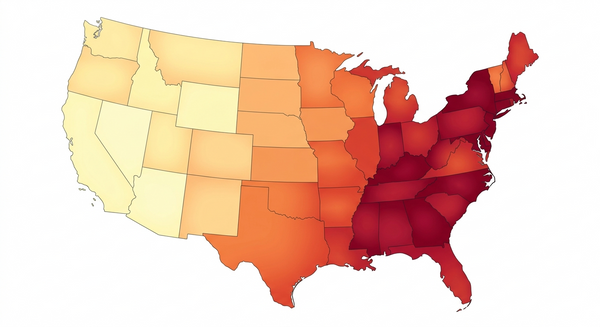
In southern states like Florida, Texas, and Georgia, there is no "off-season." The consistent warmth and humidity create a year-round breeding ground for parasites.
In northern regions, the "peak" season typically runs from April through November. However, veterinary experts—including the Companion Animal Parasite Council (CAPC)—now recommend year-round prevention for all pets, regardless of location.
Why the "Year-Round" Rule?
-
The Protection Gap: If you stop treatment in November and don't start again until April, your pet is vulnerable during those "border months" where temperatures fluctuate.
-
Indoor Infestations: Your home is climate-controlled. Once a single flea hitches a ride inside, your carpets and furniture provide the perfect environment for an infestation to explode in the middle of January.
-
Worms Don't Hibernate: Intestinal parasites and heartworm don't follow the seasons. Larvae can survive in the soil or be brought into your yard by wildlife year-round.
Your State-by-State Guide
To help you stay ahead of the pests, we've compiled a guide to peak activity across the country. Remember: "Peak" means when they are most active, but "Prevention" should be a 12-month commitment.
US Flea, Tick, and Worming Seasons by State
| State | Flea & Tick Peak Season | Heartworm & Worming Season |
| Alabama | Year-Round | Year-Round (Recommended) |
| Alaska | May – October | Year-Round (Recommended) |
| Arizona | April – October | Year-Round (Recommended) |
| Arkansas | April – October | Year-Round (Recommended) |
| California | Year-Round | Year-Round (Recommended) |
| Colorado | March – September | Year-Round (Recommended) |
| Connecticut | April – October | Year-Round (Recommended) |
| Delaware | March – December | Year-Round (Recommended) |
| Florida | Year-Round | Year-Round (Recommended) |
| Georgia | Year-Round | Year-Round (Recommended) |
| Hawaii | Year-Round | Year-Round (Recommended) |
| Idaho | April – August | Year-Round (Recommended) |
| Illinois | April – September | Year-Round (Recommended) |
| Indiana | April – September | Year-Round (Recommended) |
| Iowa | March – November | Year-Round (Recommended) |
| Kansas | March – September | Year-Round (Recommended) |
| Kentucky | March – December | Year-Round (Recommended) |
| Louisiana | Year-Round | Year-Round (Recommended) |
| Maine | April – November | Year-Round (Recommended) |
| Maryland | March – November | Year-Round (Recommended) |
| Massachusetts | March – November | Year-Round (Recommended) |
| Michigan | March – November | Year-Round (Recommended) |
| Minnesota | April – November | Year-Round (Recommended) |
| Mississippi | Year-Round | Year-Round (Recommended) |
| Missouri | March – November | Year-Round (Recommended) |
| Montana | April – July | Year-Round (Recommended) |
| Nebraska | April – October | Year-Round (Recommended) |
| Nevada | Year-Round | Year-Round (Recommended) |
| New Hampshire | April – November | Year-Round (Recommended) |
| New Jersey | March – November | Year-Round (Recommended) |
| New Mexico | April – October | Year-Round (Recommended) |
| New York | March – November | Year-Round (Recommended) |
| North Carolina | April – November | Year-Round (Recommended) |
| North Dakota | April – September | Year-Round (Recommended) |
| Ohio | March – December | Year-Round (Recommended) |
| Oklahoma | April – September | Year-Round (Recommended) |
| Oregon | Year-Round | Year-Round (Recommended) |
| Pennsylvania | April – October | Year-Round (Recommended) |
| Rhode Island | March – December | Year-Round (Recommended) |
| South Carolina | Year-Round | Year-Round (Recommended) |
| South Dakota | April – November | Year-Round (Recommended) |
| Tennessee | April – September | Year-Round (Recommended) |
| Texas | Year-Round | Year-Round (Recommended) |
| Utah | March – July | Year-Round (Recommended) |
| Vermont | April – September | Year-Round (Recommended) |
| Virginia | April – September | Year-Round (Recommended) |
| Washington | Year-Round | Year-Round (Recommended) |
| West Virginia | April – October | Year-Round (Recommended) |
| Wisconsin | May – November | Year-Round (Recommended) |
| Wyoming | March – July | Year-Round (Recommended) |
The Bottom Line: Prevention is Cheaper than Treatment
It is far easier (and much more affordable) to prevent a flea infestation or a heartworm infection than it is to treat one. A monthly dose of a trusted preventative like Frontline Plus or NexGard Spectra ensures that your pet stays comfortable and healthy, no matter what the thermometer says.
Don't let the "season" dictate your pet's safety. Stock up on your essential supplies today and keep your home pest-free all year long.
Andrew Davies
Founder & Pet Care Specialist — Smartway Pet Supplies
Andrew founded Smartway Pet Supplies to help US and Canadian pet owners access genuine, brand-name parasite prevention medications at fair prices. With years of experience navigating the Australian veterinary products market, he writes practical guides to help pet parents make informed decisions about flea, tick, heartworm, and worming treatments.
About Smartway Pet Supplies →